Data Center Boom Triggers Energy Crisis Across America's Power Grids as Import Dependencies Expose Vulnerabilities
Grid Strain Reaches Breaking Point
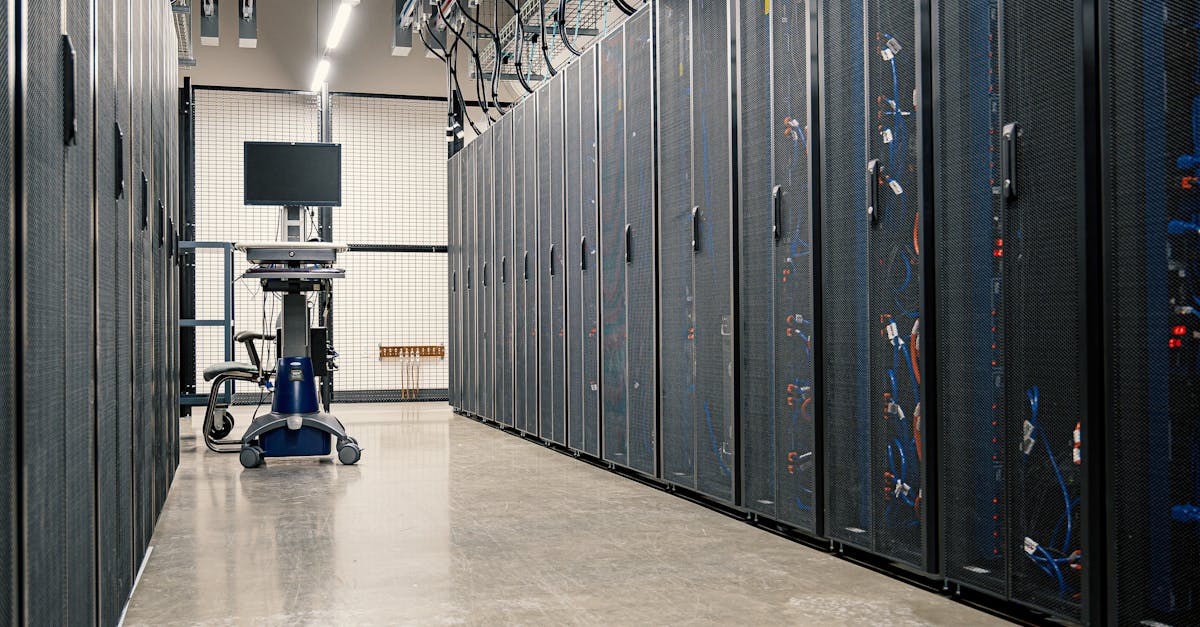
America's largest electricity grid has witnessed an unprecedented 76% surge in power prices, with federal watchdogs directly attributing the spike to explosive demand from data center construction and operations. This near-doubling of electricity costs represents the steepest price acceleration in the grid's operational history, affecting millions of commercial and residential consumers across multiple states. The phenomenon extends beyond isolated regional markets, with similar stress patterns emerging across interconnected power systems that serve approximately 65 million Americans. Grid operators report that data center electricity consumption has increased by over 200% in the past 18 months alone, creating demand patterns that exceed infrastructure capacity built over decades.
Data Center Power Appetite Breakdown
The numbers behind the digital infrastructure boom reveal the scale of energy transformation reshaping American electricity markets:
• Hyperscale data centers now consume between 20-50 megawatts each, equivalent to powering 15,000-37,500 homes • Artificial intelligence training facilities require 3-5 times more electricity per square foot than traditional data centers • New data center construction permits increased 145% year-over-year across major metropolitan areas • Power purchase agreements for data center projects totaled $8.2 billion in 2024, up from $2.1 billion in 2023 • Grid connection wait times for large facilities stretched from 18 months to 42 months average • Emergency generator installations at data centers rose 89% as backup power requirements intensified • Peak electricity demand from technology infrastructure now represents 12% of total grid capacity in affected regions
Global Supply Chain Vulnerabilities Emerge
The energy crisis extends beyond domestic demand pressures, with international supply disruptions exposing critical dependencies that threaten allied nations and global markets. Taiwan's energy predicament illustrates the fragility of modern power systems, as the island nation imports 99% of its natural gas requirements and sources approximately 8 million tons annually from Qatar alone through the vulnerable Strait of Hormuz corridor. The Gulf region crisis has completely severed LNG deliveries to Taiwan for consecutive months, forcing emergency rationing measures and industrial curtailments affecting semiconductor production facilities that supply 63% of global chip manufacturing capacity. Similar dependency patterns affect Japan, which imports 74% of its LNG from the same Gulf suppliers, and South Korea, where 31% of electricity generation relies on natural gas imports that traverse the same threatened shipping routes. These disruptions create cascading effects across global supply chains, with energy-intensive industries from steel production to chemical manufacturing facing unprecedented input cost volatility that reaches far beyond regional boundaries.
Market Catalysts on the Horizon
Several critical developments will determine whether current energy pressures intensify or begin to stabilize:
• Federal energy regulators schedule emergency grid capacity hearings for Q2 2025 to address infrastructure bottlenecks • Major technology companies plan to announce additional data center investments totaling an estimated $45 billion through 2026 • LNG export terminals in the Gulf of Mexico face potential production capacity increases of 15-20% to address Asian market shortfalls
The Unpriced Variable
The market fundamentally underestimates how quickly artificial intelligence workloads will overwhelm existing power infrastructure, creating investment opportunities in grid modernization and energy storage technologies that dwarf current valuations. While investors focus on semiconductor shortages and data center real estate, the real constraint emerges from 1970s-era electrical infrastructure trying to support 2025 computational demands. Energy companies with substantial power generation capacity and utilities positioned in high-demand technology corridors represent asymmetric bets on a transformation that will require $2.3 trillion in grid investments over the next decade. The convergence of domestic AI ambitions and international energy security concerns creates a unique moment where energy independence becomes both a national security imperative and a massive capital allocation opportunity that smart money is already positioning to capture.