Digital ATM Crackdown: Ottawa Targets $100M Fraud Pipeline as Bitcoin Machines Face Federal Ban
Federal Fraud Data Drives Regulatory Response
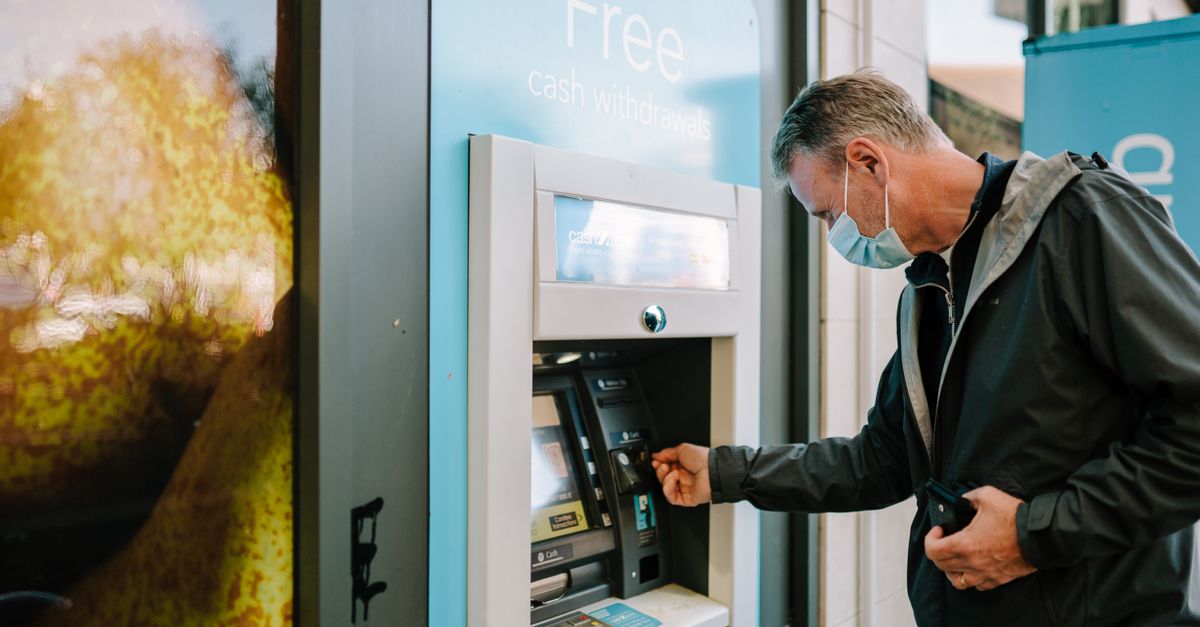
Canadian law enforcement agencies have documented cryptocurrency ATMs as the conduit for more than 70% of crypto-related fraud cases reported since 2022, with average victim losses exceeding $15,000 per incident. The Liberal government's proposed ban comes after the Royal Canadian Mounted Police identified these machines as "primary enablers" in romance scams, investment fraud, and money laundering operations that have cost Canadians approximately $100 million over 24 months. Unlike traditional banking infrastructure, Bitcoin ATMs operate with minimal identity verification requirements, allowing fraudsters to direct victims to convert cash into digital assets that become virtually untraceable once transferred to overseas wallets.
Canadian Crypto ATM Market Snapshot
• Total Bitcoin ATMs in Canada: 1,800+ machines across 10 provinces • Average transaction limit: $3,000-$10,000 per day depending on verification level • Transaction fees: 8%-20% per exchange, significantly higher than traditional ATMs • Fraud case involvement: 72% of reported crypto scams utilized ATM infrastructure • Geographic concentration: 45% of machines located in Ontario and British Columbia • Annual transaction volume: Estimated $2.4 billion in 2023 • Regulatory compliance cost: Less than 5% of operational expenses for most operators • Average victim age in ATM-related fraud: 58 years old
Global Regulatory Precedent and Industry Pushback
Canada's proposed ban positions the country alongside jurisdictions like the United Kingdom and several U.S. states that have implemented strict licensing requirements for crypto ATM operators, though none have pursued outright prohibition. The European Union's Markets in Crypto-Assets regulation requires comprehensive know-your-customer protocols that have reduced ATM deployment by 40% since implementation in 2023. Industry operators argue that enhanced compliance measures, rather than elimination, could address fraud concerns while preserving legitimate use cases for unbanked populations and privacy-conscious consumers. The Bitcoin ATM industry generates approximately $45 million annually in Canada through transaction fees, supporting 200+ direct jobs and hundreds of retail locations that host the machines for additional foot traffic.
Implementation Timeline and Industry Adaptation
• Q2 2024: Public consultation period closes with industry feedback • Q3 2024: Final regulatory framework expected from Finance Canada • Q1 2025: Estimated effective date for ATM prohibition if approved
The Unpriced Variable
While fraud prevention justifies the regulatory response, Ottawa may be underestimating the displacement effect of pushing cryptocurrency transactions underground. Eliminating regulated ATM infrastructure could drive users toward peer-to-peer exchanges and decentralized platforms that offer even less oversight and consumer protection. The 28% of crypto ATM usage attributed to legitimate privacy needs and banking alternatives suggests Canada risks creating a larger regulatory blind spot while solving a concentrated fraud problem. A more surgical approach targeting transaction limits, mandatory cooling-off periods, and enhanced identity verification could achieve fraud reduction without eliminating the infrastructure entirely, preserving legitimate use cases while addressing the $100 million loss problem that prompted federal action.