SpaceX Pre-IPO Momentum Triggers 15% Surge Across Space Sector as Starship Test Validates Commercial Launch Economics
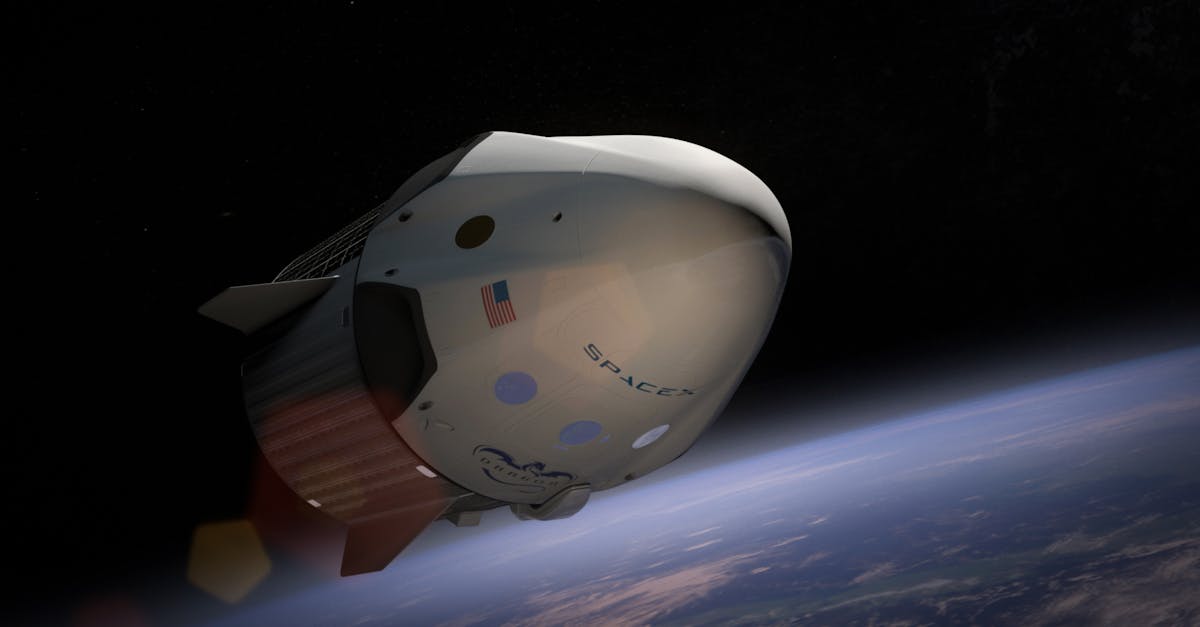
Starship Success Validates $100 Billion Space Economy Thesis
SpaceX's latest Starship test has delivered more than engineering validation—it has triggered a fundamental repricing of the commercial space sector. The 407-foot rocket's performance demonstrates cost-per-kilogram economics that could reduce launch prices by 90% compared to current industry standards. Wall Street analysts estimate this breakthrough positions SpaceX for a potential $150 billion IPO valuation, representing 3x the size of Rivian's 2021 debut. The test success comes as NASA has allocated $4.2 billion for lunar missions through 2026, with SpaceX commanding a 60% share of commercial launch contracts globally.
Space Stock Rally Data Snapshot
• Virgin Galactic (SPCE): +18.7% following Starship news • Rocket Lab (RKLB): +22.3% surge on competitive positioning concerns • Astra Space (ASTR): +14.9% despite recent operational setbacks • Boeing Defense (BA): +8.2% on space division exposure • Lockheed Martin (LMT): +6.8% satellite business momentum • Momentus (MNTS): +31.2% leading small-cap space gains • Planet Labs (PL): +19.5% imaging satellite demand spike • AST SpaceMobile (ASTS): +25.1% space-based telecom interest
Competitive Landscape Reshuffling as Launch Costs Plummet
The Starship's successful test has fundamentally altered competitive dynamics across the $469 billion global aerospace industry. Traditional defense contractors like Boeing and Lockheed Martin, who have dominated government contracts for decades, now face margin pressure as SpaceX's reusable technology promises launch costs below $1,400 per kilogram—compared to the industry average of $18,000. This 92% cost reduction threatens established players' pricing power while creating opportunities for satellite constellation companies to expand deployment plans. Virgin Galactic's suborbital tourism model appears increasingly niche as SpaceX's orbital capabilities mature, while smaller launch providers like Rocket Lab must accelerate their own reusability programs to remain competitive. The commercial satellite market, valued at $285 billion, is experiencing a supply-side revolution that favors companies with large-scale deployment plans over traditional point-to-point launch services.
IPO Timeline Catalysts and Market Milestones
• Q2 2024: Expected SpaceX S-1 filing with SEC targeting $150B valuation • September 2024: Artemis III lunar mission contract finalization worth $2.9B • Q4 2024: Starship commercial payload deployment demonstrations
The Asymmetric Bet Wall Street Isn't Pricing
While markets celebrate SpaceX's technical achievement, they're underestimating the second-order effects of radical launch cost reduction. The real opportunity lies not in launch services themselves, but in the downstream industries that become viable when orbital access costs 10 cents on the dollar. Space manufacturing, asteroid mining, and orbital data centers transition from science fiction to investable themes when launch economics improve by 90%. Traditional aerospace stocks trading at 12-15x earnings multiples will struggle to justify valuations as SpaceX's IPO introduces a growth-oriented valuation framework to the sector. The smart money is positioning for a fundamental industry restructuring where today's market leaders become tomorrow's legacy players, while entirely new categories of space commerce emerge. Investors focused solely on launch providers are missing the forest for the trees—the real value creation happens when space becomes an extension of Earth's economy rather than an exclusive government domain.