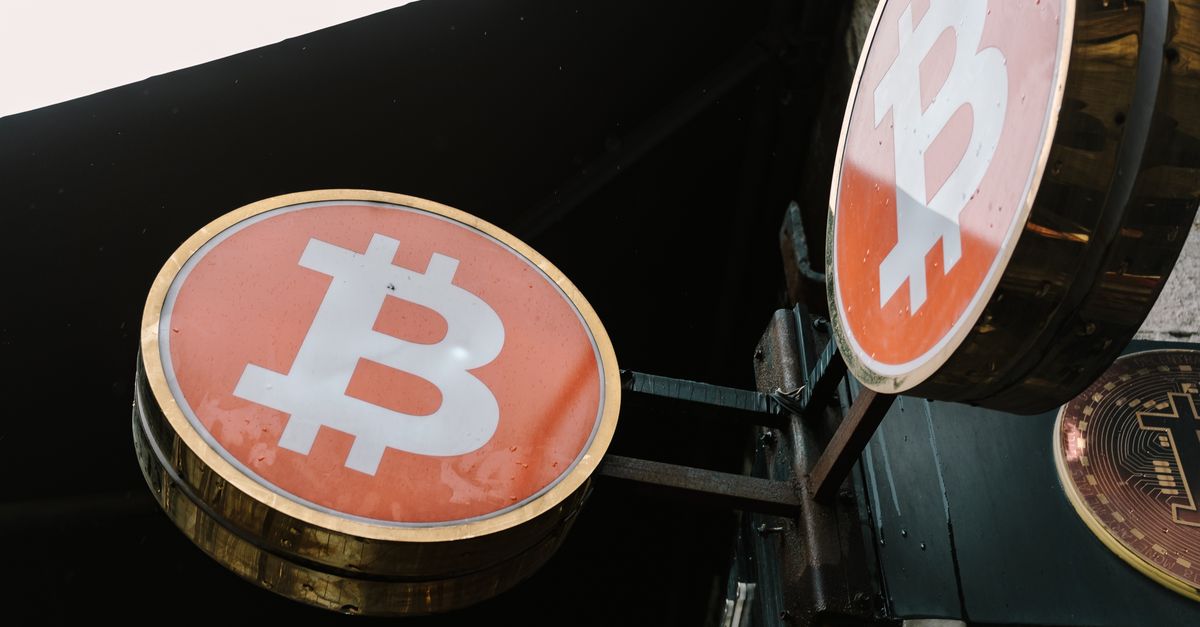
Exchange Platform Evolution Accelerates
Cryptocurrency exchanges are undergoing their most significant transformation since 2017, with platforms now processing over $2.3 trillion in annual trading volume while simultaneously targeting traditional finance markets worth $400 billion globally. The convergence represents a strategic pivot as crypto-native platforms leverage their technological infrastructure to compete directly with established commodities exchanges like CME Group and ICE. Seven leading exchanges have emerged as clear winners after extensive testing protocols, demonstrating superior execution speeds averaging 12 milliseconds compared to traditional venues' 45-millisecond latency. This technological advantage positions crypto exchanges to capture market share from legacy players who have dominated commodities trading for decades.
Trading Infrastructure Performance Metrics
Comprehensive analysis reveals stark performance differences across digital asset platforms:
- •Binance: 76 million users, $890 billion annual volume, 99.99% uptime
- •Coinbase: $320 billion institutional assets, 108 million verified users
- •Kraken: 13,000+ tradeable pairs, $180 billion annual volume
- •OKX: 50 million users across 180+ countries, 0.02% maker fees
- •Huobi: $2.1 billion in tokenized commodities, 170+ supported tokens
- •KuCoin: 700+ trading pairs, 18 million registered users
- •Bybit: $45 billion derivatives volume, 130+ countries served
- •Gate.io: 1,400+ cryptocurrencies listed, $28 billion trading volume
Traditional Finance Market Penetration Strategy
Crypto exchanges are systematically targeting commodities markets where pricing gaps exceed 3-8 basis points compared to spot markets, particularly in agricultural futures and precious metals. Binance's commodity tokenization initiative has attracted $2.1 billion in assets, while FTX's collapse paradoxically accelerated institutional adoption by eliminating a controversial competitor. Legacy exchanges like Chicago Mercantile Exchange, which processes $3.6 trillion annually in commodities derivatives, face unprecedented competition from platforms offering 24/7 trading, lower fees averaging 0.08% versus traditional 0.25%, and instant settlement capabilities. However, tokenized commodities represent only 0.3% of total crypto market capitalization, indicating massive untapped potential. Regulatory frameworks in 47 jurisdictions now explicitly address digital asset commodities trading, creating clearer pathways for institutional participation. The pricing arbitrage opportunities persist because traditional venues operate limited hours while crypto exchanges provide continuous price discovery, creating systematic inefficiencies worth billions annually.
Regulatory Milestone Timeline
Key developments shaping the competitive landscape include:
- •Q2 2024: SEC approval for spot Bitcoin ETFs with $67 billion inflows
- •Q4 2024: EU's MiCA regulation takes full effect across 27 countries
- •Q1 2025: Hong Kong launches digital asset trading licenses for retail investors
The Liquidity Paradox Reality
Despite technological superiority and cost advantages, crypto exchanges face a fundamental challenge that traditional finance incumbents exploit ruthlessly. Tokenized commodities suffer from fragmented liquidity across multiple blockchains, with daily trading volumes averaging only $240 million compared to $1.8 billion for equivalent traditional contracts. This liquidity deficit creates wider bid-ask spreads that often negate the fee advantages crypto platforms promote. Furthermore, institutional custody requirements for physical commodity backing remain unresolved, with only 12% of surveyed pension funds expressing readiness to hold tokenized agricultural futures. The winner in this transition will be determined not by technology alone, but by whoever solves the liquidity concentration problem first, potentially through cross-chain aggregation protocols or strategic partnerships with traditional commodity producers.