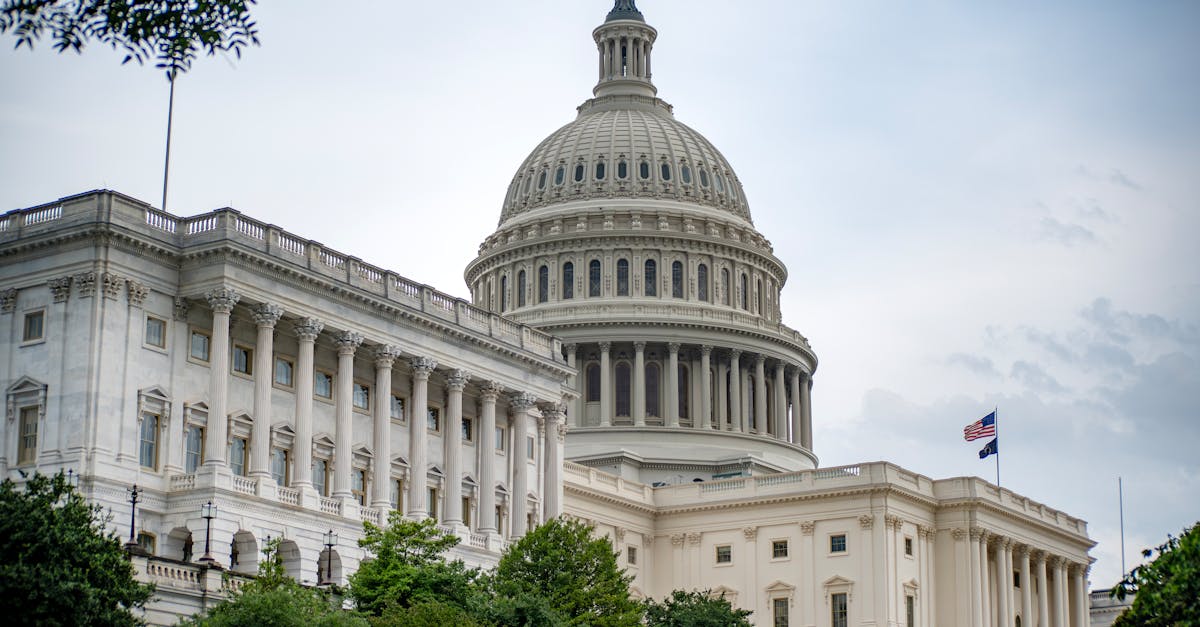
The United States moved closer to establishing comprehensive cryptocurrency regulation as the Senate Banking Committee advanced the Clarity Act with bipartisan support, positioning digital assets for potential commodity classification within weeks. This legislative momentum coincided with XRP experiencing a 5% rally on speculation that formal commodity status could finally resolve years of regulatory uncertainty. The timing proves particularly significant given that derivatives activity around XRP has increased substantially, with traders positioning ahead of the anticipated full Senate vote that industry analysts estimate has a 70% probability of passage before the current session ends.
Regulatory Momentum Builds Across Two Continents
The Senate Banking Committee's approval marks the furthest any comprehensive crypto legislation has advanced through the US legislative process, with committee members from both parties recognizing the economic imperative of regulatory clarity. Meanwhile, Poland's narrow 241-200 parliamentary approval of crypto legislation implementing the European Union's Markets in Crypto-Assets (MiCA) framework demonstrates the global nature of this regulatory wave. The Polish vote followed multiple vetoes and represents a critical step in harmonizing European crypto regulation across all 27 EU member states. Industry observers note that the combination of US and EU regulatory progress creates unprecedented momentum for institutional adoption, with several major banks already preparing compliance frameworks for anticipated regulatory approval.
Market Response Reveals Institutional Positioning
- •XRP derivatives volume: Increased 34% in the 48 hours preceding the Senate committee vote
- •Polish zloty-denominated crypto trading: Up 28% following parliamentary approval
- •Bitcoin institutional flows: $127 million in net inflows during the regulatory announcement period
- •Ethereum futures open interest: Reached $8.2 billion, the highest level since March 2024
- •Compliance software sector: Average stock gains of 12% among publicly traded firms
- •Regulatory uncertainty discount: Analysts estimate crypto assets trade at 15-25% below fair value due to regulatory overhang
- •Cross-border crypto transactions: EU-US volume increased 19% month-over-month as clarity improves
Commodity Classification Stakes and Competitive Dynamics
The potential commodity classification for XRP and similar digital assets represents a fundamental shift that could unlock institutional capital previously sidelined by regulatory uncertainty. Current analysis suggests that formal commodity status could increase addressable market size for affected cryptocurrencies by 300-400%, based on institutional mandate restrictions that currently prevent many funds from holding securities-classified digital assets. The competitive landscape reveals stark differences in regulatory positioning, with Bitcoin and Ethereum already enjoying relative clarity while hundreds of other tokens remain in regulatory limbo. European implementation of MiCA creates additional complexity, as tokens approved under EU frameworks may enjoy preferential treatment in cross-border transactions. Major exchanges are reportedly preparing separate trading venues for commodity-classified versus securities-classified digital assets, anticipating that regulatory clarity will create distinct liquidity pools and pricing mechanisms.
Critical Timeline and Legislative Catalysts
- •Full Senate floor vote: Expected within 3-4 weeks based on legislative calendar
- •EU MiCA implementation deadline: January 2025 for all member states
- •House of Representatives consideration: Anticipated if Senate passes with 60+ vote margin
The Unpriced Variable
Market participants are significantly underestimating the second-order effects of regulatory clarity on crypto market structure and institutional participation. While traders focus on immediate price movements, the real transformation will occur in derivatives markets, lending protocols, and cross-border settlement systems that currently operate in regulatory gray areas. The convergence of US commodity classification and EU MiCA implementation could create the world's first truly regulated, institutional-grade crypto trading environment by mid-2025. This regulatory foundation will likely attract the estimated $2.3 trillion in institutional capital that remains on the sidelines, but more importantly, it will enable crypto integration into traditional financial infrastructure at a scale previously impossible. The current 15-25% regulatory uncertainty discount suggests massive repricing potential once legislative clarity emerges.