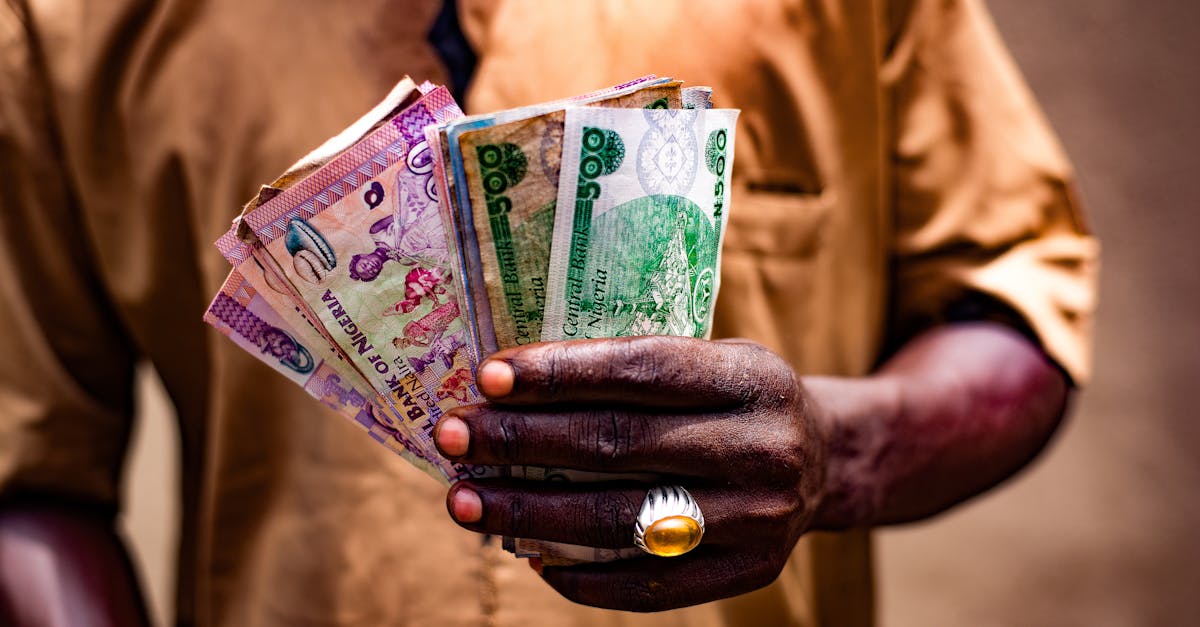
Venezuela's Financial Rehabilitation After Four-Year Isolation
The International Monetary Fund and World Bank ended their operational suspension with Venezuela on Thursday, marking the first formal engagement since 2019 when both institutions severed ties amid disputed elections and economic collapse. This resumption occurs as Venezuela's economy shows signs of stabilization, with inflation dropping from a peak of over 1,000,000% in 2018 to an estimated 400% in 2023. The timing suggests both institutions view Venezuela's current government as sufficiently legitimate to warrant renewed cooperation, despite ongoing U.S. sanctions that remain largely intact. Venezuela's foreign reserves have climbed to approximately $10.9 billion as of late 2023, up from a low of $6.4 billion in 2020, providing a foundation for potential multilateral lending programs.
Central Asian Economic Slowdown Data Snapshot
The World Bank and IMF's latest regional assessments reveal deteriorating growth prospects across Central Asia and the Caucasus, with several key metrics pointing to sustained deceleration:
- •Kazakhstan: GDP growth projected to slow from 3.2% in 2023 to 2.8% in 2024
- •Uzbekistan: Economic expansion expected to moderate from 5.5% to 4.9% year-over-year
- •Kyrgyzstan: Growth forecasts revised down to 3.1% from previous 4.2% estimates
- •Georgia: Economic output growth trimmed to 4.5% from earlier 5.8% projections
- •Armenia: GDP expansion reduced to 3.7% from 4.9% initial forecasts
- •Azerbaijan: Remains sole outlier with projected 2.1% growth versus regional contraction
- •Regional average: Aggregate growth expected at 2.3%, down from 3.8% in 2022
Iran Conflict Spillover Effects Reshape Regional Risk Calculations
The economic disruption stemming from escalating U.S.-Israeli military operations against Iranian targets has introduced unprecedented volatility into Central Asian growth models, with energy transit revenues facing particular pressure. Kazakhstan, which handles approximately 1.5 million barrels per day of oil exports through routes that could be affected by regional instability, faces the most direct exposure to geopolitical risk premiums. Trade volumes between Central Asian states and Iran, worth $3.2 billion annually according to regional customs data, have already declined 18% year-over-year through the third quarter of 2023. The World Bank's stress testing scenarios incorporate potential disruptions to the International North-South Transport Corridor, which carries $2.7 billion in annual trade flows and serves as a critical alternative to Western-controlled shipping routes. Azerbaijan's relative resilience stems from its diversified energy export portfolio and stronger ties to European markets, with natural gas exports to the EU reaching 11.5 billion cubic meters in 2023, up 23% from the previous year.
Upcoming Multilateral Institution Catalysts
- •IMF Article IV consultations with Venezuela scheduled for Q1 2024, potentially unlocking $4.5 billion in Special Drawing Rights
- •World Bank country strategy review for Central Asia expected March 2024, with $2.1 billion in regional lending commitments under evaluation
- •OPEC+ production quota discussions in February 2024 could affect Azerbaijan's energy revenue projections
The Geopolitical Realignment Signal
The simultaneous Venezuela re-engagement and Central Asian growth downgrades represent more than coincidental timing – they signal a fundamental shift in how multilateral institutions navigate an increasingly multipolar world. Venezuela's rehabilitation comes as the U.S. seeks to counter Chinese and Russian influence in Latin America, where Beijing has committed over $60 billion in regional infrastructure investments since 2010. Meanwhile, the economic struggles across Central Asia create openings for alternative financing mechanisms, with China's Belt and Road Initiative already accounting for 40% of regional infrastructure funding. The World Bank and IMF's willingness to work with previously ostracized governments like Venezuela's while acknowledging reduced influence in traditional partner regions suggests these institutions are adapting to geopolitical realities that prioritize pragmatic engagement over ideological alignment. This evolution may accelerate as competition for global influence intensifies, making economic statecraft a more flexible tool than traditional diplomatic pressure.