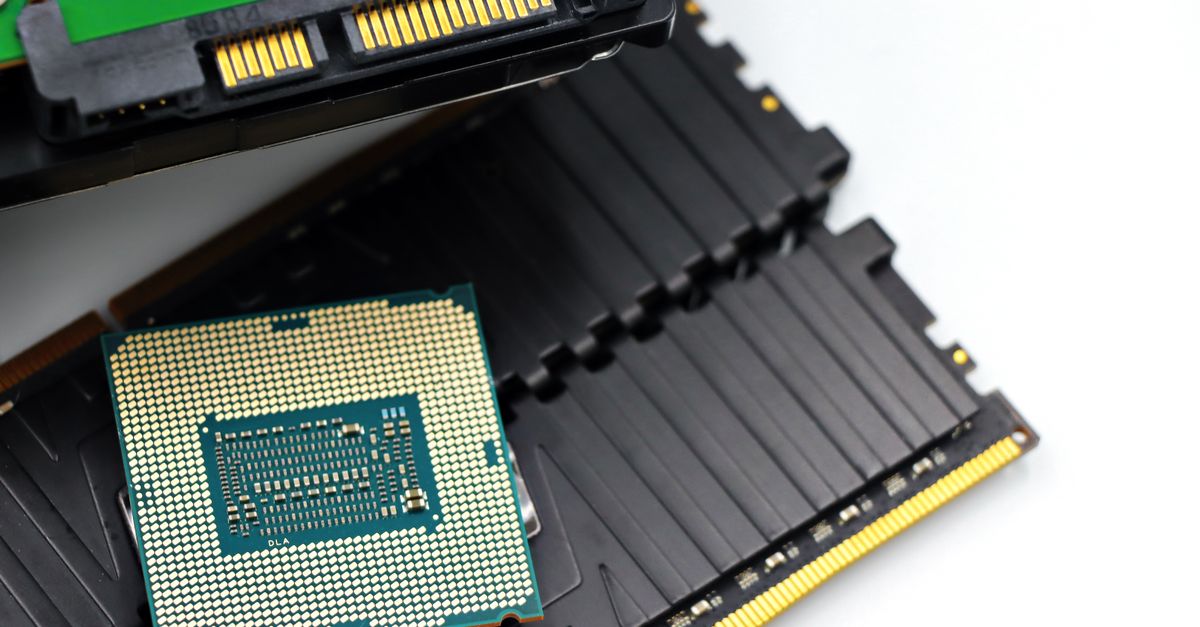
Unprecedented Capital Rush Into Memory Semiconductors
The memory semiconductor investment landscape shifted dramatically as $863 million surged into DRAM exchange-traded funds during a single trading session, marking one of the largest single-day inflows in the sector's history. This capital deluge represents approximately 15% of the total assets under management for memory-focused ETFs, highlighting the intensity of investor conviction in the space. The massive influx occurred against a backdrop of global memory chip demand recovery, with industry analysts projecting 25-30% revenue growth across major DRAM manufacturers in 2024. The timing coincides with artificial intelligence workload acceleration, which requires substantially higher memory capacity per server deployment compared to traditional computing applications.
Memory Market Performance Metrics
The numbers paint a compelling picture of sector momentum across multiple dimensions:
- •DRAM spot prices: Up 18% quarter-over-quarter through Q4 2023
- •Global memory market size: Projected to reach $248 billion by 2025
- •AI server memory content: 8-12x higher than standard enterprise servers
- •Top 3 memory manufacturers: Control 78% of global DRAM production
- •ETF expense ratios: Range from 0.45% to 0.68% for pure-play memory funds
- •Average daily trading volume: Increased 340% over the past 90 days
- •Institutional ownership: Comprises 67% of current memory ETF holdings
- •Options activity: Put/call ratio dropped to 0.23, indicating bullish sentiment
Competitive Landscape and Global Market Dynamics
The memory semiconductor oligopoly creates unique investment characteristics that traditional tech ETFs cannot capture effectively. Samsung maintains a 43% market share in DRAM production, followed by SK Hynix at 27% and Micron Technology representing the primary U.S. exposure at 23% market share. These three companies collectively generated $89 billion in memory revenue during 2023, despite navigating through one of the industry's most challenging downturns in recent history. Geographic diversification becomes critical given that 70% of global memory production occurs in South Korea and Taiwan, regions subject to geopolitical tensions and supply chain vulnerabilities. The introduction of leveraged ETF products reflects sophisticated investor demand for amplified exposure to memory price cycles, which historically demonstrate 40-60% peak-to-trough volatility during industry transitions. Professional traders recognize that memory semiconductors exhibit different cyclical patterns compared to logic chips or analog semiconductors, with inventory cycles typically lasting 18-24 months and capital expenditure cycles spanning 3-4 years.
Catalysts Driving Near-Term Momentum
Several developments position the memory sector for continued institutional attention:
- •High Bandwidth Memory (HBM) production ramp accelerating for AI applications in Q2 2024
- •China import restrictions potentially tightening supply availability by 8-12%
- •Major cloud providers increasing memory procurement budgets by 45% year-over-year
The Asymmetric Bet
The memory semiconductor thesis presents a compelling asymmetric risk-reward profile that most investors are underestimating. While the $863 million single-day inflow captures headlines, the underlying supply-demand fundamentals suggest this represents early-stage institutional positioning rather than speculative euphoria. Memory content per AI training cluster exceeds $2.3 million compared to $180,000 for traditional data center deployments, creating a 12x multiplier effect that few investors have properly quantified. The introduction of leveraged products indicates sophisticated capital recognizes that memory cycles generate 2-3x the volatility of broader semiconductor indices, creating opportunities for tactical allocation strategies. However, the concentration risk in three global suppliers and the sector's notorious boom-bust characteristics mean that timing becomes critical for investors seeking to capture the full cycle benefits.