Infrastructure Reality Check Hits AI Ambitions
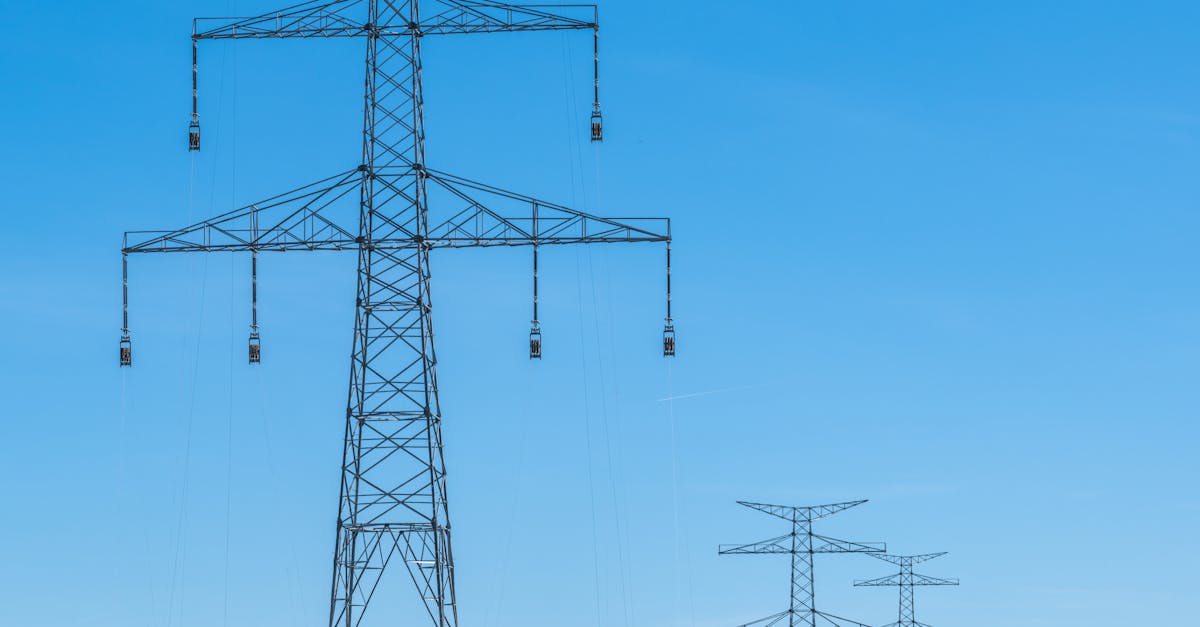
The artificial intelligence gold rush has collided with an inconvenient reality: America's electrical infrastructure cannot support the massive data center buildout required for AI supremacy. Current data shows that 48% of planned data center projects face significant delays, primarily due to power grid limitations and equipment shortages. These facilities require specialized transformers and switching equipment, with 70% of critical components sourced from Chinese manufacturers who control key supply chains. The average hyperscale data center consumes 100 megawatts of power—equivalent to supplying 80,000 homes—creating unprecedented strain on regional electrical grids that were never designed for such concentrated industrial loads.
The Chinese Supply Chain Stranglehold
America's data center ambitions remain tethered to Chinese manufacturing dominance across critical infrastructure components:
- •**Power Transformers**: 65% imported from China, 18-month lead times
- •**High-Voltage Switchgear**: $2.4 billion annual Chinese imports
- •**Cooling System Components**: 80% supply chain dependency
- •**Fiber Optic Infrastructure**: 75% Chinese market control
- •**Rare Earth Elements**: 90% Chinese processing dominance
- •**Backup Generator Systems**: $890 million Chinese component value
- •**Electrical Cable Systems**: 55% import dependency
- •**Grid Integration Hardware**: 24-month average delivery delays
Community Resistance Emerges as Unexpected Obstacle
Recent polling data reveals a surprising twist in the data center expansion story: public sentiment is turning decisively negative. Survey results indicate that 67% of respondents would prefer an Amazon warehouse in their community over a data center, citing concerns about electrical grid strain, noise pollution, and disproportionate infrastructure demands. This preference gap represents a 23-percentage-point shift from similar polling conducted 18 months ago, when data centers enjoyed relatively neutral public perception. The resistance stems from tangible community impacts: data centers typically employ only 50-200 permanent workers while consuming electricity equivalent to small cities, creating an unfavorable cost-benefit analysis for local residents. Virginia's Loudoun County, home to 70% of global internet traffic, has implemented new zoning restrictions after residents complained about transformer noise and rolling blackouts. Similar backlash has emerged in Ohio, Texas, and North Carolina, where utility companies are requesting 15-25% rate increases to fund grid upgrades necessitated by data center demand.
Critical Timeline Pressure Points
- •**Q2 2024**: Major utility companies expected to announce additional rate increase requests
- •**Late 2024**: Chinese New Year manufacturing shutdown could extend component delays by 6-8 weeks
- •**2025**: New EPA regulations on data center water usage take effect, adding compliance costs
The Uncomfortable Truth
The data center infrastructure crisis exposes a fundamental flaw in America's AI strategy: technological ambition without industrial capacity planning. While venture capital pours $23 billion annually into AI startups and tech giants announce $150 billion in combined data center investments, the physical infrastructure cannot scale at the required pace. This bottleneck creates an asymmetric opportunity for investors who recognize that data center REITs with existing power allocations and grid connections will command premium valuations as supply constraints intensify. The companies that solve power density, cooling efficiency, and community integration will capture disproportionate value in an infrastructure-constrained market. Smart money should focus on edge computing solutions and modular data center technologies that can bypass traditional grid limitations while reducing community opposition through distributed deployment models.